Looking Beyond Individual Pages
It is easy to think of a website as a collection of individual articles.
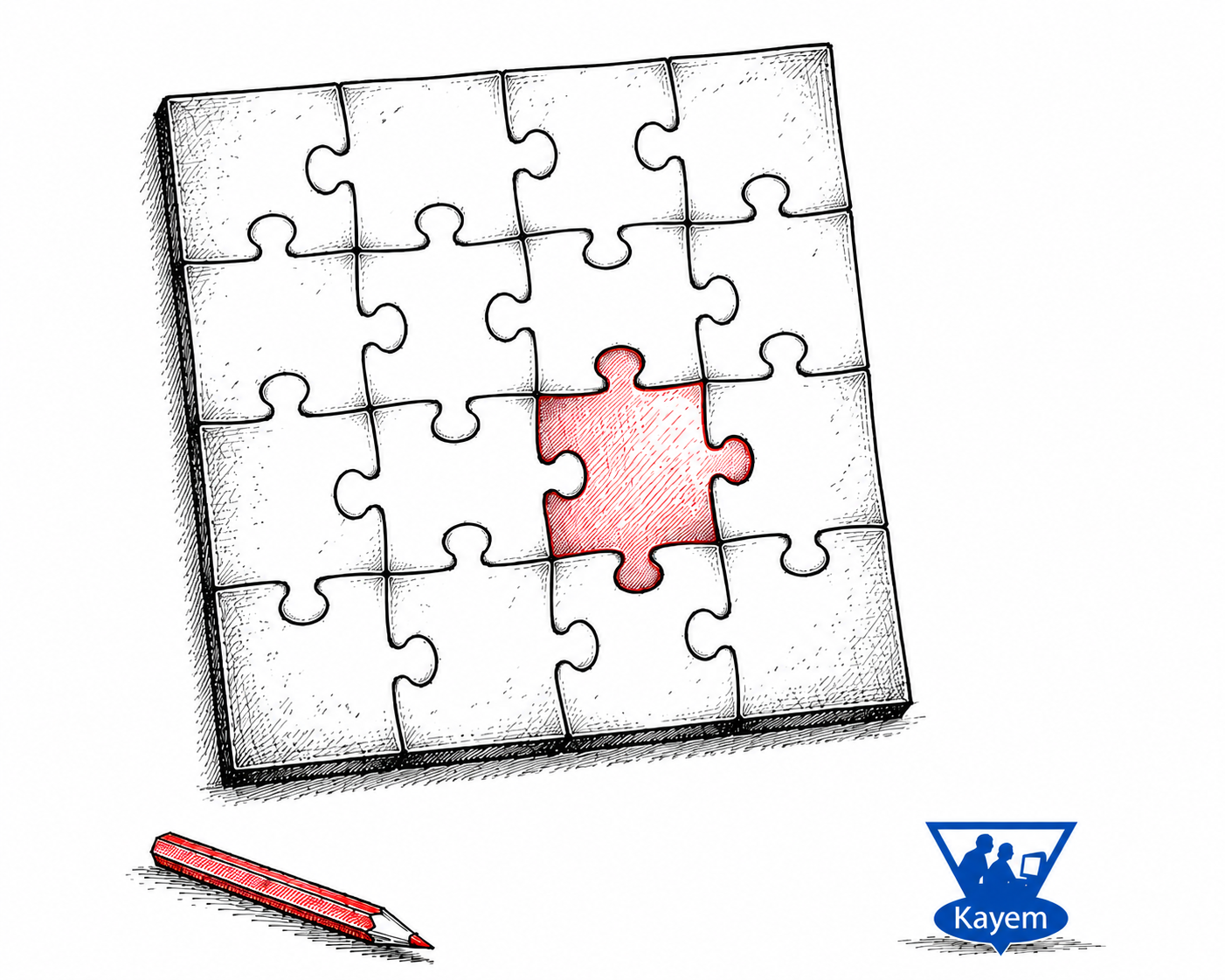
Each page may answer its own question well, yet the overall subject can still feel incomplete. One article might explain a concept, while another important aspect has never been explored.
Over time, these missing explanations become gaps in the website's knowledge.
Following the Reader's Curiosity
One way to identify knowledge gaps is to think about what a reader is likely to ask next.
After reading a page, they may naturally wonder:
- Why does this matter?
- How does it work?
- What happens next?
- How does this relate to something else?
- Where can I learn more?
If those questions remain unanswered, they become opportunities for future content rather than weaknesses to ignore.
Building a More Complete Body of Knowledge
The strongest websites rarely become valuable because of a single outstanding page.
Instead, they gradually answer more of the questions surrounding a subject. Each new article fills another gap, and each new connection strengthens understanding.
Over time, the website becomes a more complete and more useful source of knowledge.
Continue Exploring
Understanding Search Intent
Before creating new content, it helps to understand the question the reader is actually trying to answer.
Read Article