
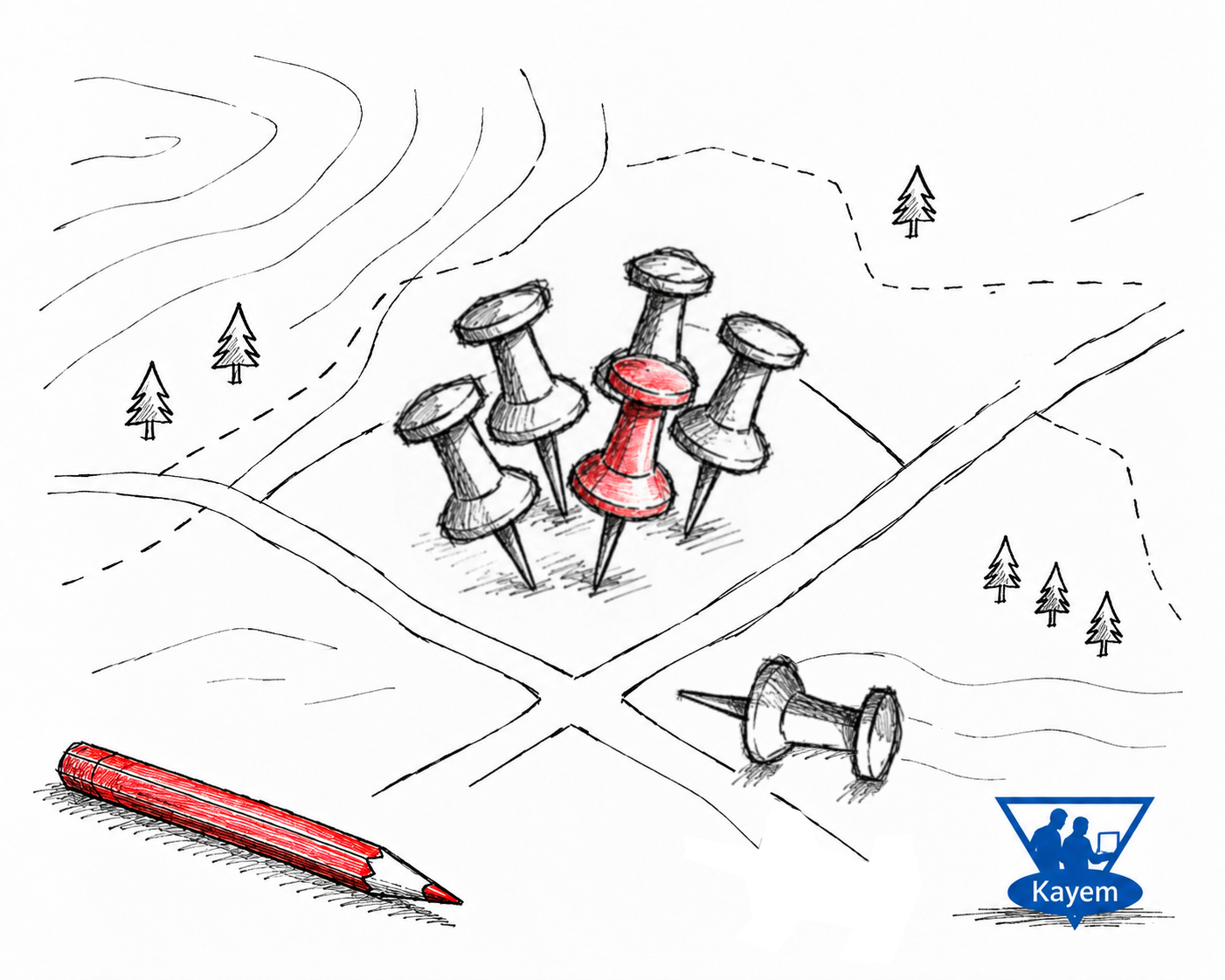
More Website Content Is Not Automatically Better Content
Publishing new website content can improve search visibility when it addresses a genuine gap. But as a website matures, the decision to publish becomes more complicated.
A new search query, customer question, keyword, or content idea may look like an obvious opportunity for another article. Yet the website may already contain a page that addresses much of the same subject or search intent.
Creating another page without investigating what already exists can introduce content overlap, dilute the purpose of individual pages, and make it less clear which page should answer a particular search.
The question therefore changes from “Could we write something about this?” to “Does this website actually need another page about this?”
Review Existing Website Content Before Creating Something New
Before publishing another article, examine the content already on the website.
Is there already a page or article covering the same topic or search intent? Does it answer the question well? Could updating or expanding the existing content provide a better answer than publishing a new page?
This is where content strategy becomes more than identifying topics and maintaining a publishing schedule.
Existing website content is evidence. It can reveal where the site already has useful coverage, where information is incomplete, and where several pages may be addressing substantially the same subject.
A simple content review can therefore identify opportunities that would be missed by treating every new search query as a request for another article.
Check Which Page Google Is Already Choosing
Google Search Console can provide another useful piece of evidence.
When an interesting search query appears, examining the Pages data can show which URL Google already associates with that search.
If the expected page is appearing, improving the existing content may be more appropriate than creating another article.
If several pages are appearing for closely related searches, there may be content overlap or potential keyword cannibalisation worth investigating.
If Google is choosing an unexpected page, understanding why should come before adding another page to the website.
And if no existing page genuinely answers the search well, there may be a much stronger case for creating something new.
Update, Consolidate or Create New Website Content?
Once the existing content and search evidence have been reviewed, several different actions become possible.
Improve when the right page already exists but could answer the search more completely or effectively.
Clarify when several pages have legitimate purposes, but their individual topics or search intent are not sufficiently distinct.
Consolidate when multiple pages cover substantially the same ground and could provide a clearer, stronger resource when brought together.
Create when the search represents a genuinely different information need that the existing website does not adequately address.
Creating new website content is therefore only one possible outcome of the analysis.
Sometimes the better decision is to make an existing page better.
Content Strategy for an Established Website
A relatively new website often needs content simply to establish useful coverage of its important subjects.
An established website faces a different challenge. After years of publishing, adding more pages without considering the existing content structure can gradually create duplication, overlap, and ambiguity.
The priority increasingly becomes maintaining a clear and useful body of website content: understanding what each page is for, which search needs it serves, and how it relates to other pages covering connected subjects.
That may involve creating new content. But it can also mean updating an existing article, distinguishing the purpose of similar pages, consolidating overlapping material, or deciding that the subject is already adequately covered.
Sometimes the most useful content decision is therefore not to publish another article at all.
Continue Exploring
Google Search Console: Which Page Is Google Choosing?
Explore how Google Search Console page data can help determine whether an existing page should be improved, investigated, or supported by new content.
Read Article